
WHAT ARE THE HEALTH RISKS OF LIVING IN A LOS ANGELES SACRIFICE ZONE?
-

OIL EXTRACTION AND REFINING
Studies indicate that living near oil operations, even living near idle wells, can lead to: headaches, dizziness, nosebleeds, nausea, vomiting, confusion, poor birth outcomes, increased asthma attacks, emergency room visits, and cardiovascular disease.
-
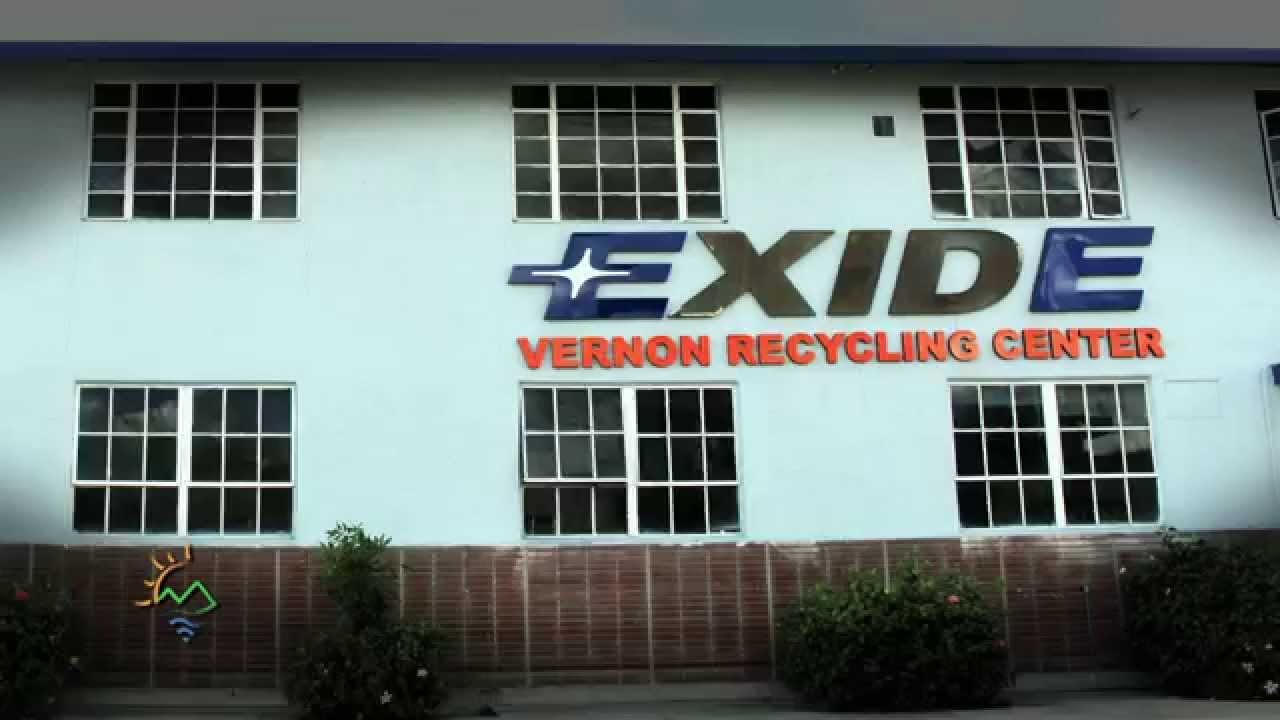
EXIDE BATTERY RECYCLING PLANT
The operations at the Exide Battery Recycling Plant in Vernon resulted in the release of harmful levels of lead and arsenic into the environment in the communities surrounding the facility. Exposure to high levels of lead and arsenic causes: increased risk of cancer, respiratory diseases, cognitive impairment and learning problems.
-

DIESEL EMISSIONS AROUND THE LA and LB PORTS AND THE I-710 CORRIDOR
The U.S. Environmental Protection Agency has found that short- and long-term exposure to diesel particulate matter, PM2.5, can cause harmful health impacts such as: heart disease and heart attacks, strokes, worsened asthma, lung disease, increased risk of cancer, delay in cognitive development, dementia, and early death.
-

METAL INDUSTRIES
Metal processing industries create major health problems, especially in the City of Paramount in the 2000s where high levels of hexavalent chromium, a byproduct of metal processing was being emitted into the air. Hexavalent chromium causes: nasal and sinus cancers, kidney and liver damage, nasal and skin irritation and ulceration, and eye irritation and damage. After community action and much exposure in the media, in 2020, with the shut down of many plants, some of the environmental harm was abated.
WHAT CHEMICALS ARE USED IN OIL PRODUCTION?
In both the extraction of oil and in the refining process, toxic chemicals are used and make their way into the air we breathe.
People who live near backyard oil wells or who live near refineries are exposed to these chemicals.
In some Los Angeles sacrifice zones, people are exposed to the following chemicals:


-
Aluminum oxide is a white odorless crystalline powder. Water insoluble. Aluminum oxide has a chemical formula Al2O3. It is amphoteric in nature, and is used in various chemical, industrial and commercial applications. It is considered an indirect additive used in food contact substances by the FDA.
-
Alzheimer’s Disease, autism
Aluminum Oxide
2-butoxy Ethanol
-
2-butoxy Ethanol is a colorless liquid with a mild odor. It is used as a solvent for resins, lacquers, varnishes, and enamels, and is found in many hard surface cleaning products.
-
Harm to the kidneys (kidney damage)

-
Crystalline silica is a common mineral found in the earth's crust. Materials like sand, stone, concrete, and mortar contain crystalline silica. It is also used to make products such as glass, pottery, ceramics, bricks, and artificial stone.
-
Lung cancer
Crystalline Silica
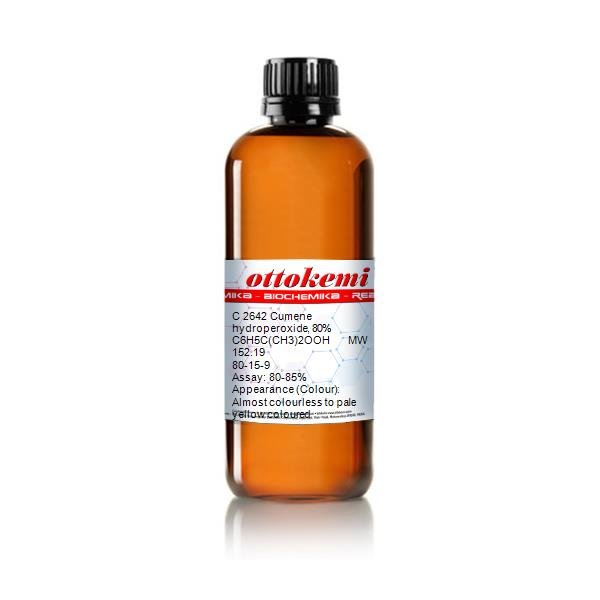
Cumene
-
Cumene (isopropylbenzene) is an organic compound that contains a benzene ring with an isopropyl substituent. It is a constituent of crude oil and refined fuels. It is a flammable colorless liquid that has a boiling point of 152 °C.
-
Headaches, dizziness, drowsiness, slight incoordination, and unconsciousness in humans

-
Glutaraldehyde is an organic compound with the formula (CH2)3(CHO)2. The molecule consists of a five carbon chain doubly terminated with formyl (CHO) groups. It is usually used as a solution in water, and such solutions exists as a collection of hydrates, cyclic derivatives, and condensation products, several of which interconvert.
-
Fatal if inhaled or ingested
Glutaral/Pentanedial
Hydrochloric Acid
-
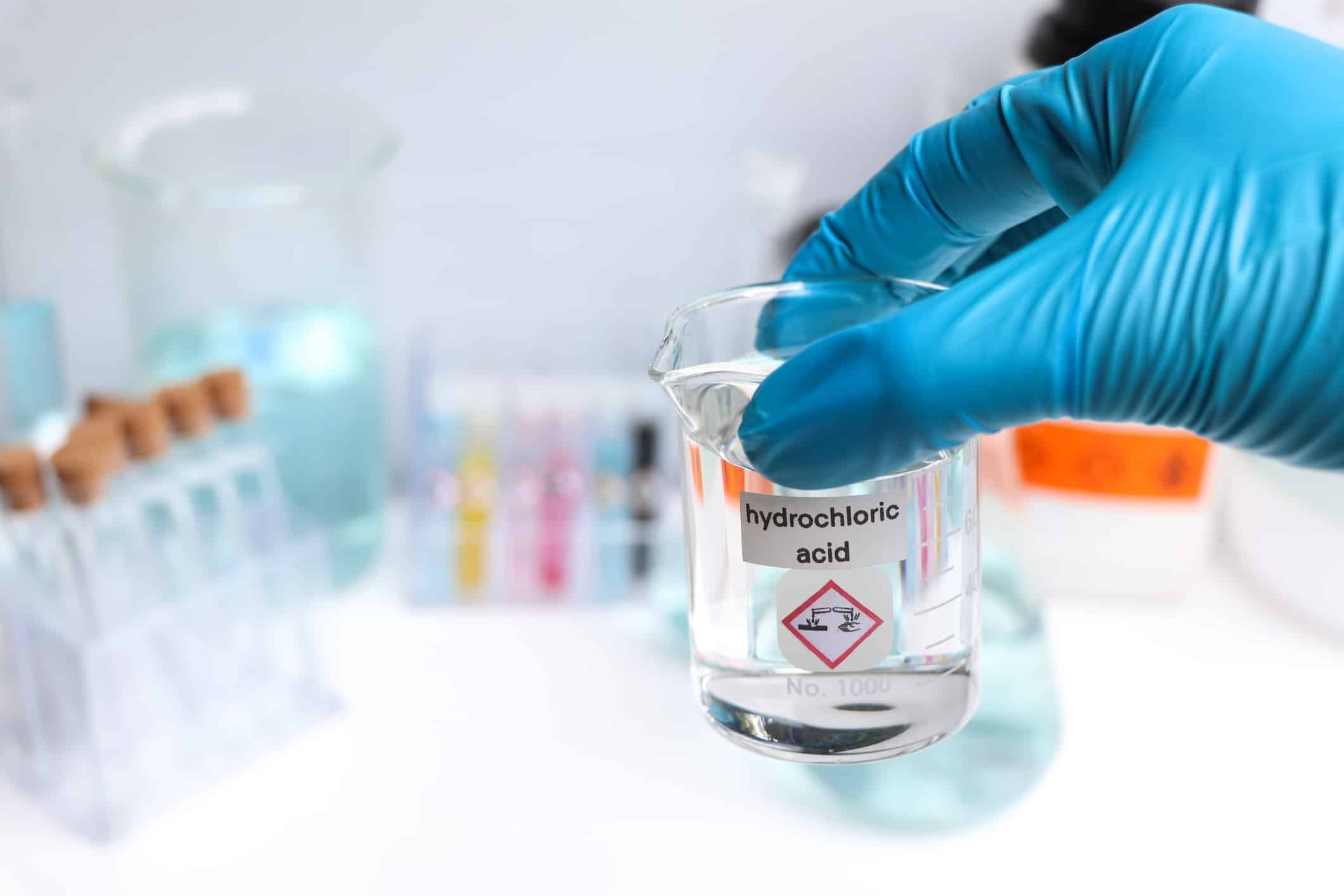
Hydrochloric acid, also known as muriatic acid or spirits of salt, is an aqueous solution of hydrogen chloride. It is a colorless solution with a distinctive pungent smell. It is classified as a strong acid. It is a component of the gastric acid in the digestive systems of most animal species, including humans.
-
Pulmonary edema


-
Hydrogen fluoride is a chemical compound that contains fluorine. It can exist as a colorless gas or as a fuming liquid, or it can be dissolved in water. When hydrogen fluoride is dissolved in water, it may be called hydrofluoric acid. Hydrogen fluoride can be released when other fluoride-containing compounds such as ammonium fluoride are combined with water.
-
Deep, slow-healing burns
Hydrofluoric Acid
Methanol
-
Methanol — the simplest alcohol (CH3OH) — is a chemical building block for hundreds of everyday products, including plastics, paints, car parts and construction materials. Methanol also is a clean energy resource used to fuel cars, trucks, buses, ships, fuel cells, boilers and cook stoves.
-
Permanent blindness from damage to the optic nerve


-
Naphthalene is a white solid that evaporates easily. Fuels such as petroleum and coal contain naphthalene. It is also called white tar, and tar camphor, and has been used in mothballs and moth flakes. Burning tobacco or wood produces naphthalene. It has a strong, but not unpleasant smell. The major commercial use of naphthalene is in the manufacture of polyvinyl chloride (PVC) plastics.
-
Nausea, vomiting, and coma
Naphthalene
Xylene
-
Xylene is an aromatic hydrocarbon widely used in industry and medical technology as a solvent. It is a colorless, sweet-smelling liquid or gas occurring naturally in petroleum, coal and wood tar, and is so named because it is found in crude wood spirit.
-
Depression/short term memory loss


-
Formaldehyde is a common colorless, strong-smelling chemical that is a gas at room temperature. It occurs naturally in the environment, including in some foods (and even inside our bodies), but it is also a widely used chemical in some industries. For example, it is used in making building materials and many household products.
-
Dermatitis & itching
Ethylbenzene
-
Ethylbenzene is a colorless, flammable liquid that smells like gasoline. It is found in natural products such as coal tar and petroleum and is also found in manufactured products such as inks, insecticides, and paints. Ethylbenzene is used primarily to make another chemical, styrene. Other uses include as a solvent, in fuels, and to make other chemicals.
-
Dizziness, difficulty with hand eye coordination, and depression
Formaldehyde
THE LARGEST SOURCE OF AIR POLLUTION
in the L.A. basin are the
twin ports of Los Angeles and Long Beach

The LA/LB ports in San Pedro Bay comprise the largest port complex in the country.

The ports operate 24 hours a day, seven days a week.

40% of U.S. imports enter through the twin ports of LA/Long Beach.

The imported goods are transported by trains and trucks, many of them using the I-710 corridor, to other parts of the country.

50,000 diesel-fueled freight trucks travel the I-710 each day.
The goods movement from the ports along the I-710 freeway creates significant amounts of Diesel Particulate Matter (DPM) pollution and other Traffic Related Air Pollution (TRAP). DPM contains hundreds of different chemicals, including 40 known cancer causing organic substances.
WHAT MAKES DIESEL PARTICULATE MATTER
HARMFUL TO OUR HEALTH?
Diesel exhaust poses significant risks for public health.
Although progress in clean technology and electric vehicles has been made, more work needs to be done.
Cancer
According to the California Air Resource Board, it's estimated that about 70% of total known cancer risk related to air pollution in California is attributable to DPM.
Adults
Recent studies have shown that long-term exposure to DPMs may increase the risk of developing dementia and reduced cognitive health.
Children
Because their bodies are rapidly developing and growing, DPM and other air pollution poses a greater risk to fetuses, infants, and children. One adverse outcome is decreased lung function, which is linked to a multitude of health problems including asthma, bronchitis, and illness later in life.
Pregnancy
Prenatal exposure to DPM in pregnancy can lead to negative developmental outcomes such as preterm birth and structural birth defects.